
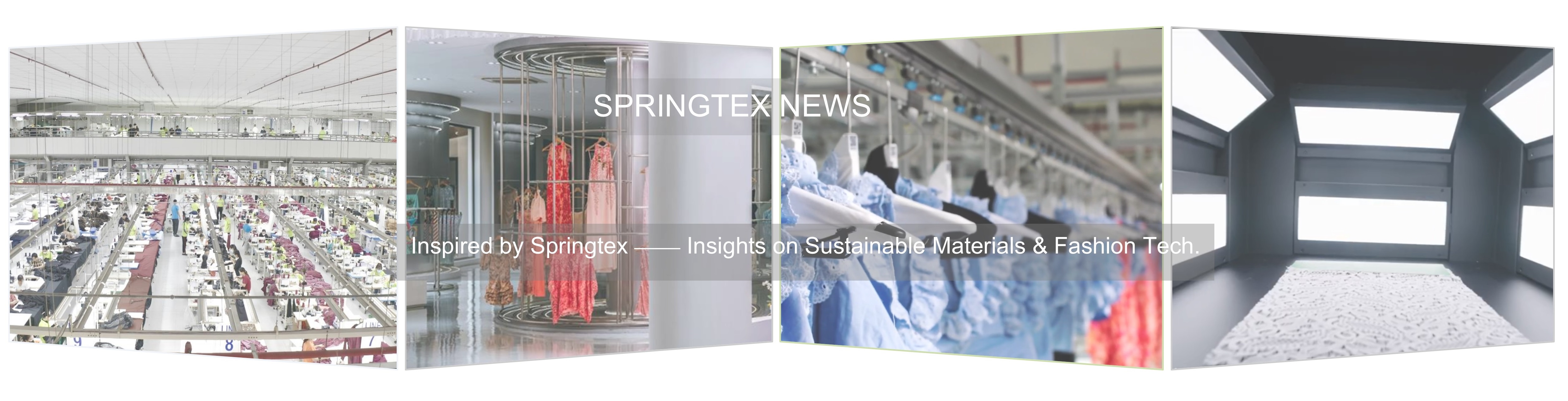
How to Start a Clothing Brand from Scratch: A Step-by-Step Apparel Supply Chain Roadmap
Launching a fashion line is one of the most exciting entrepreneurial journeys you can take. However, turning a creative vision into a tangible, profitable garment requires a deep understanding of the global supply chain. For emerging designers, navigating tech packs, sampling, and manufacturing costs can quickly become overwhelming. If you want to build a sustainable, scalable business, you need a blueprint that bridges the gap between design concepts and commercial retail. To turn your creative passion into a market reality, you must partner with the best apparel manufacturers for startups, calculate your true clothing manufacturing cost, select a reliable clothing manufacturer, and leverage the data-driven capabilities of a modern supply chain partner like Springtex. Let’s break down exactly how to navigate this apparel supply chain roadmap from scratch. Every great clothing brand starts with an idea, but factories cannot sew a mood board. To translate your design concepts into a language a factory understands, you must build a comprehensive Tech Pack. Think of a tech pack as the architectural blueprint of your garment. It eliminates guesswork and minimizes costly errors during the production phase. A production-ready tech pack should include: Technical Drawings: Flat, black-and-white vector sketches showing the front, back, and side views with detailed stitching details. Bill of Materials (BOM): A detailed list specifying every piece of hardware, fabric type, thread color, zipper, button, and brand label required. Measurement Specification Sheet: A precise table listing dimensions for every size in your range, alongside specified measurement tolerances. A poorly constructed tech pack leads to miscommunicated samples, wasted capital, and massive production delays. Investing time in this phase sets the foundation for your entire supply chain. Before approaching a factory, you must understand your financial metrics. Many startups fail because they underestimate the hidden expenses baked into product development. Your total clothing manufacturing cost is far more than just the price of fabric and labor. To accurately price your garments for wholesale or direct-to-consumer (DTC) retail, you must account for the following variables: Understanding these variables ensures you maintain healthy profit margins (ideally 50% to 70% for retail) and prevents cash flow shortages down the line. Finding a trustworthy clothing manufacturer is arguably the most critical step in your entire roadmap. The fashion industry operates entirely on relationships, and your manufacturing partner functions as an extension of your team. When researching potential factories, look past simple cost metrics. You need a partner that aligns with your brand's core values, technological standards, and operational scale. Consider these factors: Domestic manufacturing (nearshoring) offers rapid communication, quicker shipping times, and lower shipping fees, making it excellent for fast turnarounds. Overseas manufacturing (offshoring) in hubs across Asia or Europe generally delivers significantly lower per-unit labor costs, though it comes with longer lead times and higher shipping complexities. Modern consumers care deeply about how their clothes are made. Ensure your chosen partner holds verified compliance certifications—such as the Worldwide Responsible Accredited Production (WRAP) standard or OEKO-TEX® for fabric safety. Operational transparency is no longer optional; it is a major brand asset. The traditional fashion supply chain is notorious for rigid minimums, slow sample iterations, and high waste. For an emerging brand, buying thousands of units upfront introduces severe financial risk. To combat this, the industry has shifted toward smart, one-stop manufacturing ecosystems. Emerging designers achieve the best results by prioritizing digital integration. Working with agile supply chain partners that utilize digital pattern making and 3D CAD Rendering allows startups to visualize fits and drapes digitally before a single piece of fabric is cut. This drastically reduces sample waste, shortens lead times, and lowers initial development expenses. Furthermore, partnering with a vertical supplier that seamlessly manages the workflow from fabric sourcing through to final production cuts out the middleman. This streamlined approach ensures your brand stays light on its feet, capable of reacting to changing market trends without getting weighed down by excess inventory. by Gio Gix (https://unsplash.com/@giogix1) Once you select your factory, you enter the sampling loop. Never skip or rush this phase. You will progress through a series of prototype iterations: Proto Sample: Built using available factory scrap fabrics to test the basic pattern, shape, and silhouette. Size Run / Fit Sample: Created using the actual intended fabrics to test the grading, mobility, and drape across different body sizes. Pre-Production (PP) Sample: The exact golden standard of what will come off the final assembly line. Once you sign off on the PP sample, bulk production officially begins. Maintain clear quality control thresholds during production. Regularly reference your tech pack to guarantee that the final garments shipped to your customers match your initial vision perfectly. Launching a successful apparel brand from scratch requires balancing creative design with strict supply chain discipline. By methodically constructing your tech packs, mapping out your production economics, and embracing digital-first manufacturing workflows, you position your brand for sustainable, long-term growth. Finding the best apparel manufacturers for startups who can optimize your clothing manufacturing cost is the ultimate key to unlocking market viability. By aligning your business with a vertically integrated clothing manufacturer like Springtex, you gain access to the data-driven workflows, smart manufacturing tools, and global production networks necessary to confidently transform your fashion startup into an industry staple. If you are looking for a reliable manufacturing partner to handle your next collection, feel free to reach out to us—our team is here to help turn your designs into reality. Worldwide Responsible Accredited Production (WRAP): https://wrapcompliance.org/ — Global independent certification program for safe, lawful, humane, and ethical manufacturing. OEKO-TEX® Standard: https://www.oeko-tex.com/ — Independent testing and certification system for textile raw materials and finished products.Phase 1: Conceptualization and Tech Pack Development

Phase 2: Decoding Your Clothing Manufacturing Cost
Phase 3: Sourcing the Right Clothing Manufacturer
Geographic Location: Nearshoring vs. Offshoring
Ethical Compliance and Sustainability
Phase 4: Why Modern Startups Leverage Smart Manufacturing

Phase 5: Sampling, Fit Approval, and Bulk Production
Final Thoughts: Building a Resilient Fashion Future
References
Fatal error: Allowed memory size of 134217728 bytes exhausted (tried to allocate 3973016 bytes) in /www/wwwroot/springtex.com/include/pdo.class.php on line 54