
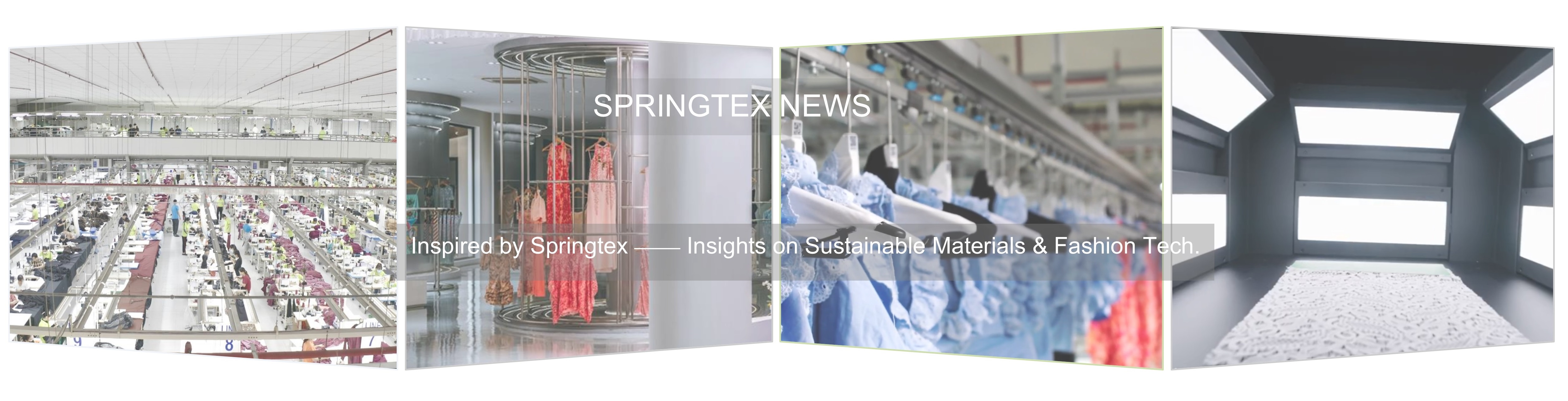
What is Premium Vertical Manufacturing? A Deep Dive into Springtex
In today’s highly competitive fashion industry, brands are increasingly seeking reliable partners who can deliver quality, speed, and flexibility. This is where Premium Vertical Manufacturing becomes a key differentiator. As a leading clothing manufacturer, Springtex has embraced this model to help global fashion brands streamline production while maintaining high standards.
Understanding Premium Vertical Manufacturing
Premium vertical manufacturing refers to a fully integrated production model where a single company controls multiple (or all) stages of the manufacturing process—from raw material sourcing to final garment production. Unlike traditional fragmented supply chains, this approach consolidates operations under one roof or within a tightly controlled system.
According to the World Trade Organization, vertically integrated supply chains can improve efficiency and reduce risks tied to global sourcing disruptions (https://www.wto.org). Similarly, research from McKinsey & Company highlights that integrated manufacturing models enable faster lead times and better quality control (https://www.mckinsey.com).
In the context of fashion, premium vertical manufacturing goes beyond integration—it emphasizes high-end quality, advanced technology, and strong supply chain transparency.
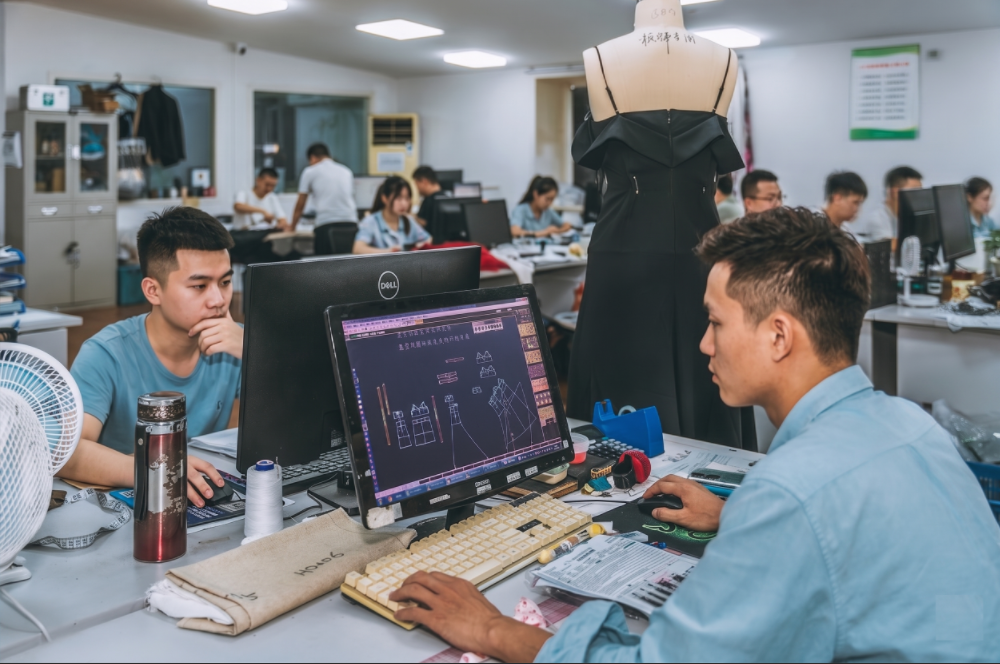
Full-Package-Apparel-Manufacturing
Key Components of Premium Vertical Manufacturing
1. End-to-End Control
A premium vertical manufacturer like Springtex oversees every stage, including:
· Fabric sourcing and development
· Dyeing and finishing
· Pattern making and sampling
· Bulk production
· Quality assurance
This level of control ensures consistency across all products and minimizes communication gaps.
2. Quality Assurance at Every Step
With in-house or closely managed processes, quality checks are embedded throughout the production cycle. According to ISO standards (https://www.iso.org), integrated quality management systems improve product reliability and reduce defect rates.
Springtex applies strict quality protocols to ensure every garment meets premium standards expected by high-end fashion brands.
3. Speed and Flexibility
In a fast-moving fashion market, speed is critical. Vertical manufacturing allows brands to:
· Reduce lead times
· Respond quickly to trends
· Adjust production volumes efficiently
This agility is especially valuable for brands operating in luxury and contemporary fashion segments.
4. Supply Chain Transparency
Consumers today demand transparency and ethical production. A vertically integrated model makes it easier to track materials and processes.
Organizations like the Sustainable Apparel Coalition emphasize the importance of traceability in modern apparel manufacturing (https://apparelcoalition.org). Springtex supports this by maintaining visibility across its supply chain.
Why Premium Vertical Manufacturing Matters
1. Consistent High Quality
Fragmented supply chains often lead to inconsistencies. With vertical integration, every step is aligned to deliver uniform quality—an essential factor for premium and luxury brands.
2. Cost Efficiency Over Time
While initial investment in vertical integration can be high, it reduces long-term costs by:
· Minimizing outsourcing
· Reducing delays and errors
· Improving production efficiency
Harvard Business Review notes that integrated operations can create sustainable competitive advantages (https://hbr.org).
3. Stronger Brand Partnerships
Brands prefer manufacturers that act as strategic partners rather than just vendors. Springtex’s vertical model allows it to:
· Collaborate closely with clients
· Offer product development support
· Ensure confidentiality and reliability
4. Sustainability and Responsibility
Vertical manufacturing supports more sustainable practices by:
· Reducing transportation emissions
· Optimizing resource usage
· Improving waste management
This aligns with global sustainability goals and consumer expectations.
Springtex: A Leader in Premium Vertical Manufacturing
Springtex stands out as a trusted clothing manufacturer with over two decades of experience serving high-end fashion brands. Its premium vertical manufacturing model is designed to meet the evolving needs of modern apparel businesses.
What Makes Springtex Unique?
1. Integrated Capabilities
Springtex combines fabric sourcing, product development, and garment production into a seamless workflow.
2. High-End Fashion Expertise
Specializing in premium and luxury segments, Springtex understands the importance of craftsmanship, fabric quality, and detail.
3. Global Collaboration
With experience working with international brands, Springtex supports strong communication, project management, and reliable delivery.
4. Innovation and Technology
The company invests in advanced machinery and digital systems to enhance efficiency and precision.
The Future of Apparel Manufacturing
The global fashion industry is undergoing rapid transformation driven by digitalization, sustainability, and changing consumer behavior. Premium vertical manufacturing is expected to play a central role in this evolution.
According to a report by Deloitte, supply chain integration and digital transformation are key drivers of future competitiveness in manufacturing (https://www2.deloitte.com).
Brands that partner with vertically integrated manufacturers like Springtex will be better positioned to:
· Navigate supply chain disruptions
· Maintain product quality
· Scale efficiently
Conclusion
Premium vertical manufacturing represents the future of apparel production—combining efficiency, quality, and transparency into a single, streamlined model. As a leading clothing manufacturer, Springtex exemplifies how this approach can deliver real value to fashion brands worldwide.
By controlling every stage of the process, Springtex ensures superior quality, faster delivery, and stronger collaboration—making it a strong partner for brands operating in a competitive market.
Whether you are launching a new collection or scaling an established brand, understanding and leveraging premium vertical manufacturing can be a game-changer.
References
1. World Trade Organization – Supply Chains and Trade
https://www.wto.org
2. McKinsey & Company – Apparel Manufacturing Insights
https://www.mckinsey.com
3. International Organization for Standardization (ISO)
https://www.iso.org
4. Sustainable Apparel Coalition
https://apparelcoalition.org
5. Harvard Business Review – Operations Strategy
https://hbr.org
6. Deloitte – Manufacturing Industry Outlook
https://www2.deloitte.com
Fatal error: Allowed memory size of 134217728 bytes exhausted (tried to allocate 5222752 bytes) in /www/wwwroot/springtex.com/include/pdo.class.php on line 54