
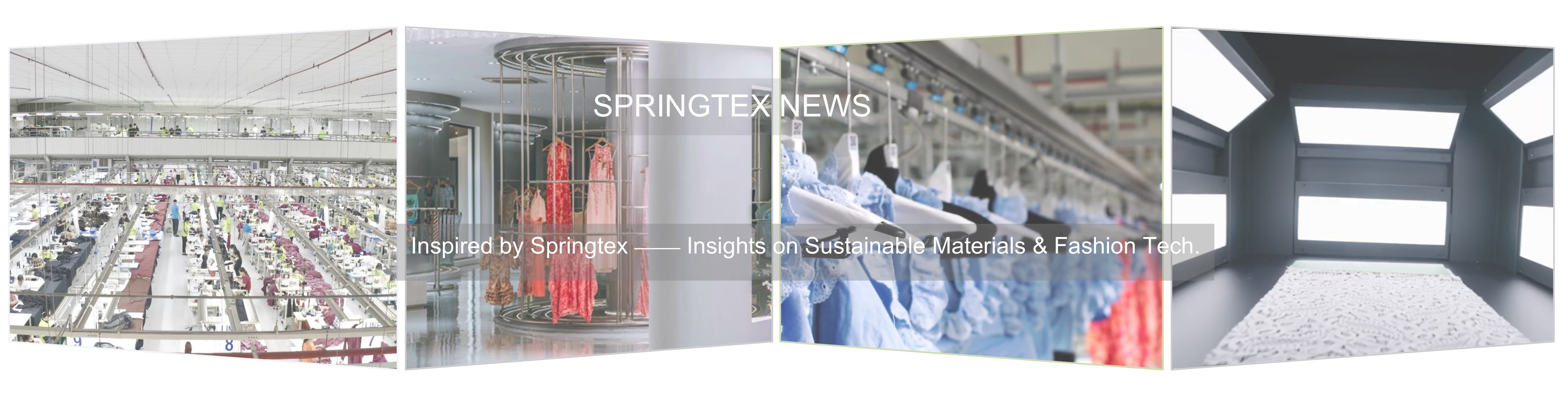
Why Small Batch Clothing Manufacturers Are Changing the Fashion Industry
How the shift from "order 1,000 or don't bother" to 100-piece production runs is rewriting who gets to build a fashion brand.
Ask anyone who tried to launch a clothing line a decade ago what stopped them, and the answer is usually the same: the factory wanted a minimum order of a thousand units, in one color, before they'd even look at the design. That math worked fine for big retailers. For everyone else, it meant either draining your savings on inventory you weren't sure would sell, or not starting at all.
That wall is coming down. A growing class of small batch clothing manufacturers now accepts orders as low as 100 to 300 pieces per style, and the shift isn't just a nice-to-have for hobbyists — it's restructuring how new fashion brands get built, tested, and scaled. Here's what's actually driving it, and why it matters whether you're launching your first drop or rethinking how a mid-size label manages inventory.

What "Small Batch" Actually Means
There's no single legal definition, but in practice, most sourcing experts consider anything under 100 units per style genuinely small batch, with many boutique clothing manufacturers now working comfortably in the 100-to-300-unit range. Compare that to the traditional offshore benchmark, where factories routinely required 500 to 1,000 pieces per style, per color, before they'd start cutting fabric.
The change didn't happen because factories got generous. It happened because the economics of small quantity clothing production finally started to work — digital textile printing needs far less setup than screen printing and can run as little as 10 to 50 meters of fabric, and smaller cutting technology now makes short runs less wasteful than they used to be.
The Real Cost of Guessing Wrong
Bulk production isn't just expensive upfront — it's a bet, and a lot of brands lose it. Recent industry estimates suggest close to 30% of mass-produced garments end up unsold, discounted into oblivion, or discarded entirely. That's not a rounding error; that's a third of production essentially wasted before it ever reaches a paying customer.
Industry snapshot: up to 90% of fashion startups fail, and cash flow problems tied to overcommitted inventory are consistently cited as a leading cause. Locking six figures into a single bulk order, before you know if the design sells, is one of the fastest ways to run out of runway.
Small batch manufacturing flips that risk profile. You spend less to find out if a style works, and you only commit real capital once sell-through data tells you it's worth scaling.

Small Batch vs. Bulk Production: A Side-by-Side Look
Fig. 1 — Small batch production trades a higher per-unit cost for dramatically lower financial risk and faster market response.
How a Small Batch Production Run Actually Moves
The workflow isn't fundamentally different from bulk manufacturing — it's compressed. Fewer units means fewer bottlenecks, which is a big part of why turnaround times have gotten so much shorter.
Typical Small Batch Production Workflow
① Tech Pack & Design Review → ② Sample Development → ③ Fit Approval → ④ Small-Batch Cutting & Sewing → ⑤ Quality Check → ⑥ Air Freight & Delivery
Fig. 2 — A well-run small batch order can move from approved tech pack to finished goods in roughly four to five weeks, versus several months for a traditional bulk container order.
Notice step six: air freight, not sea freight. For small runs, the math usually favors paying more per unit to ship than sitting on inventory while a slower boat crosses the ocean — speed to market is the whole point of going small batch in the first place.
Who's Actually Behind This Shift
It's tempting to assume small batch manufacturing is a boutique curiosity running on a handful of niche factories. The data says otherwise. In the U.S. alone, over 76% of apparel mills employ fewer than 10 people, meaning the domestic manufacturing base was never built around thousand-unit minimums to begin with — it's naturally suited to flexible, small-scale work. The American Apparel and Footwear Association estimates the broader U.S. apparel and footwear industry supports around 3.6 million jobs, a supply chain deep enough to include real, vetted small batch options at nearly every price point.
What to Watch For Before You Commit
Vague "low MOQ" claims: Be skeptical of any manufacturer advertising "low MOQ" without publishing an actual number — ask directly and get it in writing.
Sampling policy: A legitimate small batch clothing manufacturer will always produce a sample before bulk cutting starts. Skipping this step is a red flag, not a shortcut.
Fabric sourcing responsibility: Some manufacturers source fabric in-house; others expect you to supply it. Know which model you're working with before comparing quotes.
IP protection: Work with a factory willing to sign a manufacturing agreement with non-disclosure terms, especially if your design or fabric blend is proprietary.
Import compliance: Rules around apparel imports keep shifting — for example, expanded CPSC filing requirements for U.S.-bound apparel took effect in mid-2026 — so confirm your manufacturer or freight partner is current on documentation.
Where This Leaves Growing Brands
Small batch manufacturing isn't a permanent ceiling — it's a starting gear. Plenty of brands run their best-testing styles through low-MOQ production to validate demand, then transition proven winners to larger production runs once sell-through numbers justify it. The manufacturers built for this middle ground — able to handle a 100-unit test run today and a 5,000-unit reorder in six months without switching factories — are the ones actually changing how fashion companies plan their year, rather than locking them into a single bet twice a year.
Vertically integrated factories are particularly well positioned here, since holding fabric, trims, and sewing capacity under one roof means a small test order and a scaled-up reorder can both move through the same production line without renegotiating with new partners each time.
Thinking about testing a new style without committing to a bulk order — or looking for a manufacturing partner who can scale with you from a 100-unit sample run to full production? Reach out to our team and let's talk through what a small batch run would look like for your brand.
References
1. Bureau of Labor Statistics (BLS), U.S. apparel manufacturing establishment data, 2025–2026.
2. American Apparel and Footwear Association (AAFA), U.S. apparel and footwear industry employment estimates, 2025.
3. Fabriclore, "Complete Guide to Low MOQ Fabric Manufacturing 2026."
4. ExploreTex, "The Small Batch Advantage: Why Low-MOQ Is the Secret Weapon for 2026 Apparel Brands."
5. Consumer Product Safety Commission (CPSC), apparel import eFiling requirements, effective July 2026.
Fatal error: Allowed memory size of 134217728 bytes exhausted (tried to allocate 15947904 bytes) in /www/wwwroot/springtex.com/include/pdo.class.php on line 54