
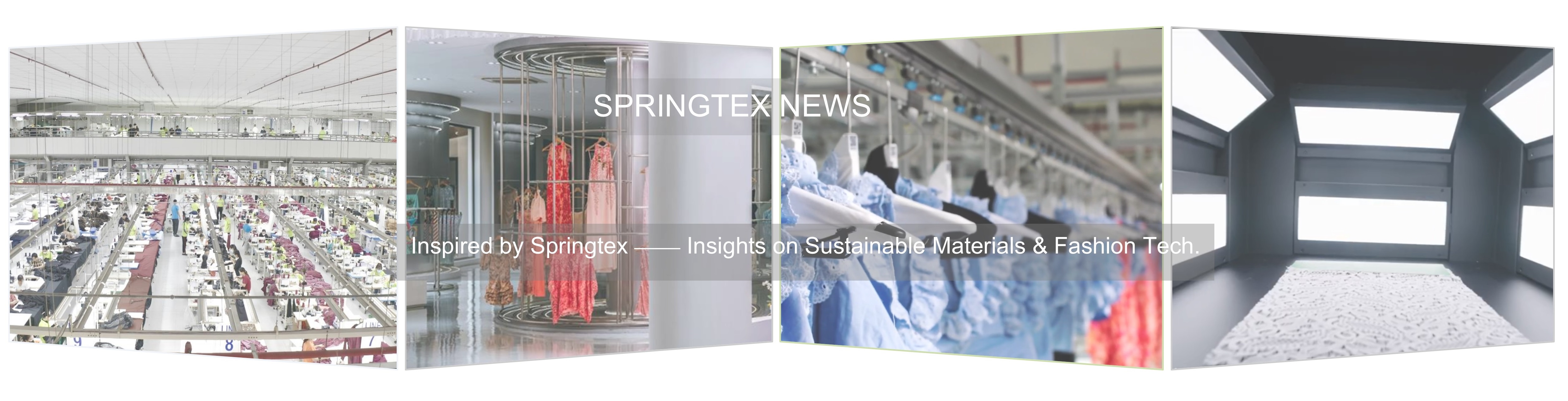
The Future of Fashion: How Smart Apparel Manufacturing is Revolutionizing the Industry
The global apparel sector is undergoing a historic structural transformation. For decades, the industry relied heavily on low-cost labor, decentralized sourcing networks, and prolonged multi-month production cycles. However, shifting market dynamics—including rapid shifts in consumer demand, strict international sustainability mandates, and volatile logistics networks—have made old manual production methods increasingly unsustainable.
To maintain market agility and protect profit margins, forward-thinking fashion brands are overhauling their supply chains (Maile, 2026). They are pivoting away from fragmented, human-dependent production systems toward automated, interconnected hubs (VDMA, 2026). This shift centers on the integration of Smart Apparel Manufacturing—a system that utilizes Artificial Intelligence (AI), automated vision-based quality control, and data-driven material tracking to reshape the product lifecycle. Partnering with an advanced clothing manufacturer that utilizes these Industry 4.0 innovations allows brands to minimize material waste, compress design timelines, and achieve resilient, highly scalable apparel manufacturing operations.

The Core Pillars of Smart Apparel Manufacturing
Smart manufacturing moves away from isolated, standalone factory machinery in favor of fully connected digital ecosystems (VDMA, 2026). When a brand updates a digital pattern, that data flows directly to automated cutters and assembly lines on the factory floor without manual intervention.
[Digital Twin Concept] ➔ [AI Sourcing Optimization] ➔ [Automated Laser Cutting] ➔ [Cobot Assembly & Vision QA] ➔ [RFID Tracking & Delivery]
This structural shift relies on three main technological innovations that eliminate human error and accelerate throughput:
Predictive AI and Digital Prototyping: Brands use 3D digital twins to simulate garment drape, fit, and movement on-screen before cutting physical fabric. This process cuts material sampling waste and shortens approvals from weeks to hours (WFX, 2026).
Computer-Vision Quality Assurance (QA): Smart cameras mounted above inspection lines monitor textiles in real time. These AI systems spot millimeter-sized weave defects, stitch skips, or color inconsistencies that tired human operators might miss, reducing product rework rates from over 28% to under 9% (Vergara, 2026).
Human-Robot Collaboration (Cobots): Specialized collaborative robots work alongside human operators, handling repetitive tasks like material positioning, fabric alignment, and automated garment folding to lower direct labor costs by up to 30% (UBL, 2026).
Quantifying the Value of Automation and Advanced Materials
The benefits of upgrading to an automated ecosystem extend beyond simple time savings; they directly improve factory floor performance and resource conservation. Transitioning away from fragmented, manually driven workflows allows smart manufacturing facilities to achieve significant efficiency gains across key production metrics.
Traditional Factory Floor Yield
=======> Material Waste: 15% - 22%
=======> Product Defect Rate: 5% - 7%
Smart Factory Floor Yield (AI & Automated Systems)
==> Material Waste: Under 4%
==> Product Defect Rate: Under 1.5%
Upstream material intelligence also helps protect brand equity. Implementing automated cutting paths and circular, design-for-disassembly stitching can lower a production facility's total resource waste by up to 25% (Ahmed, 2026). These measurable resource savings protect fashion brands from rising raw material expenses while providing verifiable compliance data for global environmental audits.
Structural Comparison: Traditional vs. Smart Frameworks
The operational performance data reveals a clear gap between legacy production networks and automated, smart-enabled manufacturing platforms:
Step-by-Step Data Flow in a Smart Production Hub
The smart apparel pipeline replaces slow, linear processes with parallel, data-driven execution. This automated sequence ensures design details remain precise from the initial concept down to final shipping packing.
1.Algorithmic Fabric Nesting & Optimization:Phase 1.
Approved digital patterns are processed by nesting software. The system analyzes fabric width and grain lines to arrange panels, maximizing material utilization and minimizing pre-consumer waste.
2.Automated High-Precision Laser Cutting:Phase 2.
The optimized nesting layout is sent directly to computerized laser cutters. These systems cut multi-ply fabrics with sub-millimeter precision, searing edges automatically to prevent fraying on synthetic composites.
3.Sensor-Monitored Stitching & Assembly:Phase 3.
As pieces move through sewing lines, IoT sensors monitor machine acoustics and needle temperatures. The system automatically adjusts thread tension in real time and alerts maintenance teams before a thread breaks or a machine jams (TextileAI, 2026).
4.Automated Vision Inspection & Verification:Phase 4.
Finished garments pass under high-definition camera arrays. Machine-learning models compare the physical product against the digital tech pack to verify seam tolerances, label placement, and measurement compliance.
5.RFID Coding & Digital Product Passport Matching:Phase 5.
Passing garments receive an embedded RFID tag or dual-frequency label. This chip logs the item's material history and factory origin, providing the consumer-facing transparency data required by modern regulators (Yutori, 2026).
Securing Supply Chain Resilience for Modern Brands
In a volatile retail landscape, supply chain flexibility is a key competitive advantage. Brands can no longer afford to commit capital to massive inventory orders six months in advance, which often leads to costly markdowns or stockouts.
By integrating virtual sampling, automated defect screening, and adaptive manufacturing lines, Smart Apparel Manufacturing changes how garments are produced. This technology driven approach protects brands from labor shortages, reduces material waste, and allows companies to scale production volume based on real-time market performance. Partnering with an advanced clothing manufacturer that utilizes an automated ecosystem provides apparel brands with the structural agility and operational precision needed to protect margins and grow.
References
Ahmed, R. (2026). The journey of a Norwegian T-shirt: A case study of fibre material in the clothing system. Journal of Circular Economy, 4(1), 12-25.
Maile, F. (2026). Lead firm strategies in the global textile and apparel industry: Are disruptions reconfiguring the geographies of production? Journal of Economic Geography, 26(2), 145-168.
VDMA Textile Care, Fabric and Leather Technologies. (2026). Smart manufacturing to lead textile industry transformation by 2035. Report presented at Texprocess 2026, Frankfurt.
Vergara, M. Á. (2026). Productivity improvement model in the garment industry: Application of standardized work and poka yoke with artificial vision. MDPI Reports, 5(4), 64.
WFX (World Fashion Exchange). (2026). Top reasons why 2026-2030 will redefine fashion manufacturing. WFX Industry Insights.
Fatal error: Allowed memory size of 134217728 bytes exhausted (tried to allocate 16718136 bytes) in /www/wwwroot/springtex.com/include/pdo.class.php on line 54