

Social Compliance & the Eco-Friendly Supply Chain: Why WRAP and BSCI Matter
Modern sustainability has evolved beyond the surface-level use of organic cotton and recycled polyester; it is fundamentally defined by the dignity and well-being of the people behind the garments. In the contemporary ESG (Environmental, Social, and Governance) framework, the "S" represents a non-negotiable commitment to worker welfare that must be embedded into the very fabric of production.
To achieve this, brands are increasingly seeking premium vertical manufacturing solutions that offer transparency at every stage. By prioritizing standards like WRAP and BSCI, vertical manufacturing ensures that "eco-friendly" fashion is built on a foundation of true ethical integrity, rather than just material choices.

Factory environment
The 'S' in ESG: Human-Centric Sustainability
While environmental impact often dominates the conversation, the Social pillar of ESG focuses on how a company manages its relationships with employees and suppliers. For the fashion industry, this translates to worker welfare, fair wages, and safe conditions
ØFair Remuneration: Ensuring living wages that allow families to thrive, not just survive.
ØHealth and Safety: Proactive management of factory environments to prevent disasters and long-term health issues.
ØRights & Dignity: Protecting freedom of association and prohibiting child or forced labor.
Without these social safeguards, an 'eco-friendly' product made from recycled plastic is still fundamentally unsustainable if the human cost of production is high.
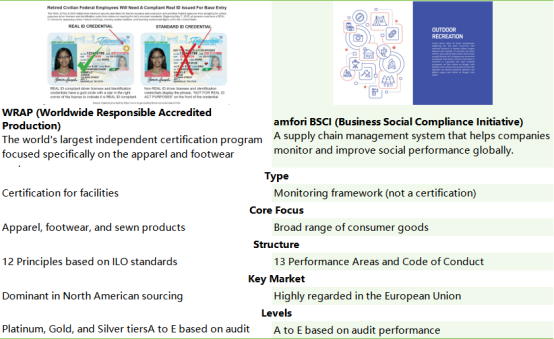
Decoding the Standards: WRAP vs. amfori BSCI
Transparency in Action
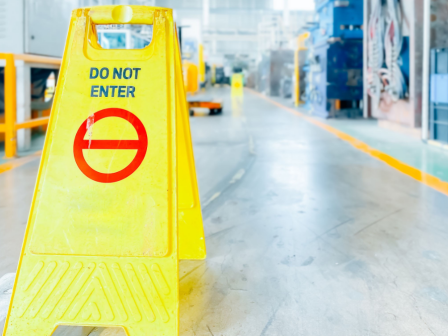
Certified and audited facilities provide the transparency that modern consumers demand. These images reflect the 'new normal' where worker safety is a baseline, not a bonus.
Consumers expect to know who made their clothes
The Modern Consumer: Worker Welfare is Non-Negotiable
Modern consumers are increasingly 'investing' in brands rather than just buying products. Research shows a significant shift toward radical transparency, where consumers expect to know who made their clothes and under what conditions.
According to the World Economic Forum, brands that integrate ESG principles into their core strategy see higher supply chain resilience and greater customer loyalty. For the eco-friendly consumer, a brand's social compliance record is as important as its carbon footprint. Ignoring the 'S' in ESG is no longer just a moral risk—it is a significant business risk that can lead to reputation damage and exclusion from major retail markets.
As the industry moves toward greater accountability, the role of the manufacturer must shift from a simple service provider to a trusted partner invested in a brand’s long-term values. True ethical fashion requires a comprehensive approach where worker safety and fair labor practices are managed through full package manufacturing models that leave no room for oversight. We ensure that every garment is produced under the highest social standards. This ground-up commitment to the people who make our clothes is what transforms a supply chain into a sustainable legacy.
References and Authoritative Sources
ØWRAP Compliance: Official 12 Principles and Certification Standards. https://wrapcompliance.org/en/about/what-we-do/12-principles/
Øamfori BSCI: Code of Conduct and Performance Areas for Social Due Diligence. https://www.amfori.org/amfori-bsci/
ØWorld Economic Forum: The Role of ESG in Supply Chain Success. https://www.weforum.org/
ØInternational Labour Organization (ILO): International Labour Standards for the Apparel Industry. https://www.ilo.org/
ØRecovo ESG Insights: Fashion ESG Standards and Social Responsibility. https://recovo.co/en/blog/article/fashion-esg-standards