
The Fabric of Tomorrow: Sustainable Textile Innovations
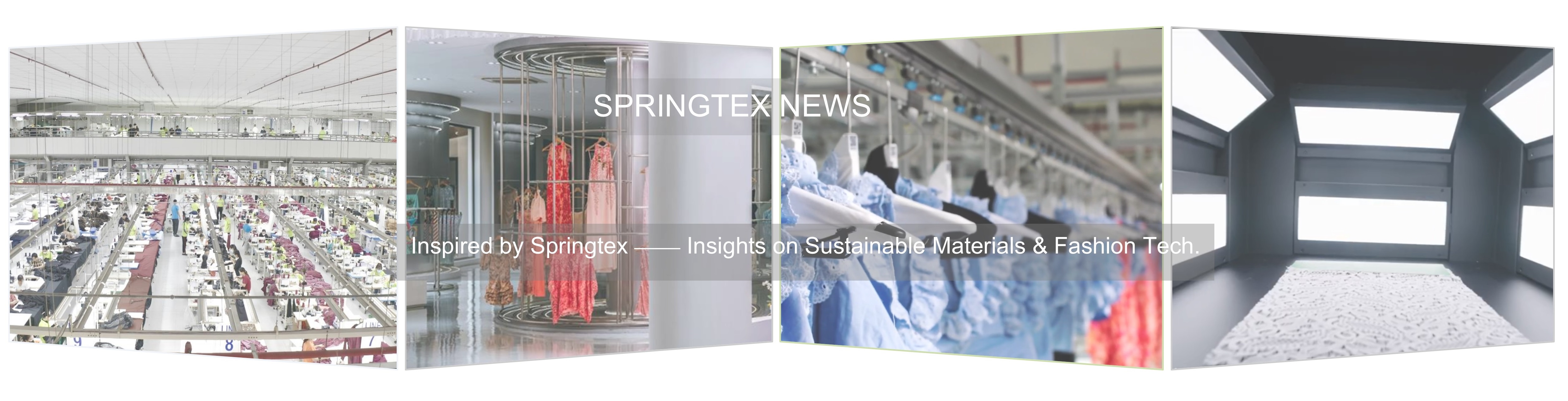
The modern fashion landscape is no longer defined solely by aesthetics, but by the integrity of the supply chain. The shift toward sustainable fashion is being driven by innovations that transform waste into high-performance materials, and at the heart of this evolution is the efficiency of Vertical Manufacturing.
By integrating every stage of production—from the textile to the final garment assembly—brands can achieve unparalleled transparency and quality control. This model of Premium Vertical Manufacturing ensures that the circularity of recycled polyester is managed with precision, allowing high-end brands to maintain luxury standards while drastically reducing their ecological footprint.
Explore Material Categories
Tencel & Cellulosics
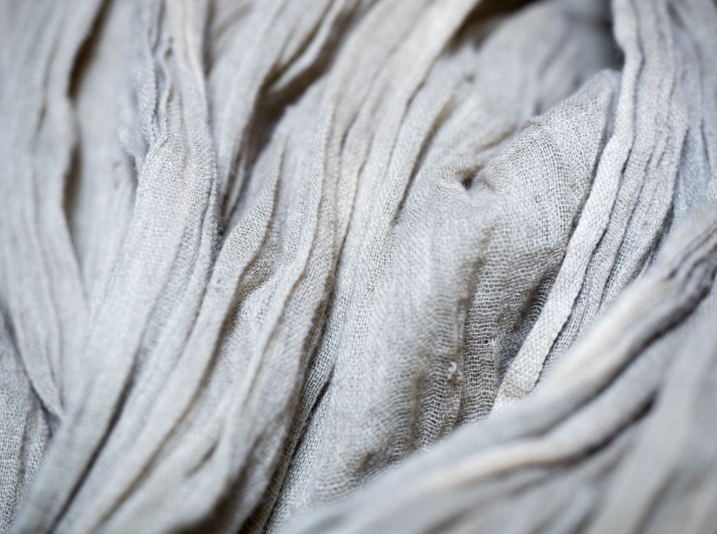
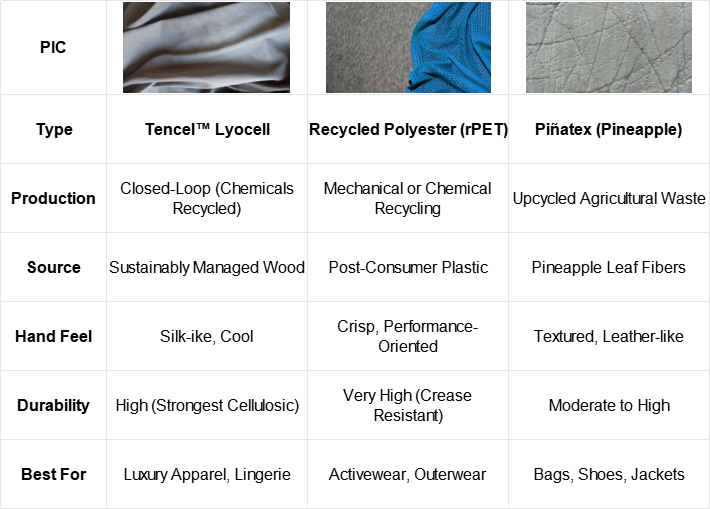
Tencel: The Gold Standard for CellulosicsTencel™ is a brand of lyocell and modal fibers produced by Lenzing AG. It is renowned for its closed-loop production process, which recycles over 99% of the water and solvents used during the wood-to-fiber transformation.
ØSource: Sustainably managed wood pulp (Eucalyptus, Beech, or Spruce).
ØPerformance: Superior moisture-wicking, breathable, and incredibly soft on the skin.
ØEnd-of-Life: Fully biodegradable and compostable, returning to nature without harmful residues.
Thyra Parthen/Getty Images
Recycled Synthetics
Recycled Polyester (rPET): Turning Waste into Wealth
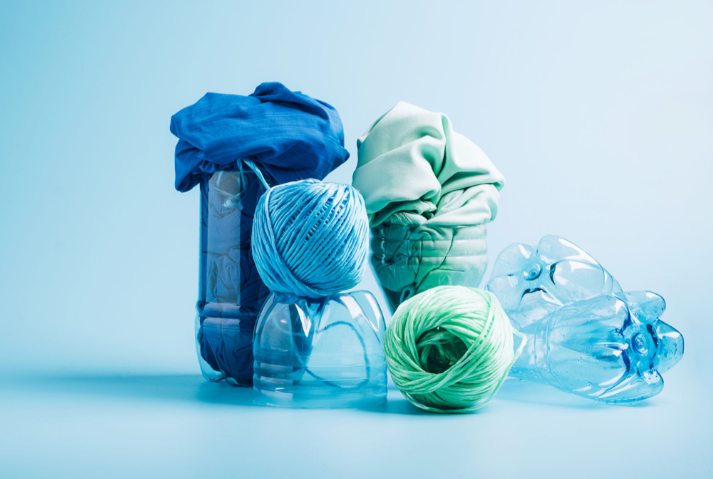
Recycled polyester (rPET) is produced by melting down post-consumer plastic (like water bottles) and re-spinning it into new fibers. This reduces the fashion industry's reliance on virgin petroleum and diverts millions of bottles from landfills.
ØEnergy Savings: Uses up to 45% less energy and 20% less water than virgin polyester.
ØVersatility: Maintains the same durability, crease resistance, and quick-drying properties as traditional polyester.
ØTraceability: Brands often use GRS (Global Recycled Standard) certification to verify recycled content.
NATALIA KHIMICH/Getty Images
The Microplastic Challenge: While rPET is a major win for circularity, it still sheds microplastics during washing. To mitigate this, manufacturers are innovating with shed-resistant yarn structures and recommending micro-filter washing bags.
Bio-Based Innovations
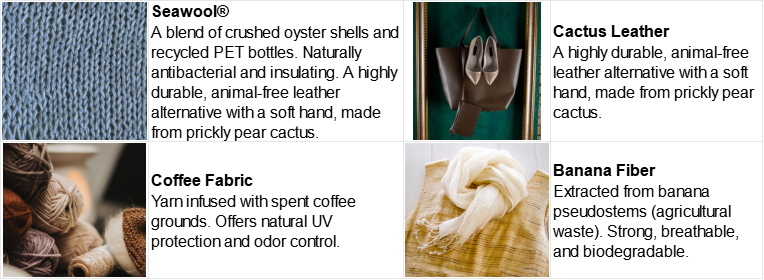
The Rise of Agricultural Waste Textiles
The next frontier of sustainable fashion isn't just about recycling plastics; it's about upcycling agricultural byproducts into luxury-grade fabrics.
Emerging Sustainable Innovations
Side-by-Side: Performance & Impact
As the industry moves toward a more conscious future, the demand for full package manufacturing solutions has never been higher. Brands are seeking more than just a vendor; they require a trusted partner who understands that sustainability and luxury are not mutually exclusive. By leveraging innovative textiles and streamlined production processes, at Springtex, we empower brands to lead the charge in the circular economy, ensuring that every collection is as responsible as it is refined.