
The Circular Future: How Apparel Manufacturers Are Designing for Longevity
The global fashion industry is at a pivotal crossroads, moving away from the fleeting nature of fast fashion toward a more intentional future. By shifting from a linear "take-make-dispose" model to a circular economy, Apparel Manufacturers like Springtex are reimagining garments as enduring assets that remain in circulation at their highest value. This transition is anchored in one fundamental strategy: designing for durability as both a core manufacturing principle and a promise to the consumer.
To achieve this, brands are increasingly seeking a trusted partner capable of overseeing the entire lifecycle of a product. Through the lens of premium vertical manufacturing, the focus shifts from mere production to a holistic commitment to quality, ensuring that every stitch and fabric choice supports a longer, more sustainable product life.
Durable material/Getty Images
The Architecture of Longevity
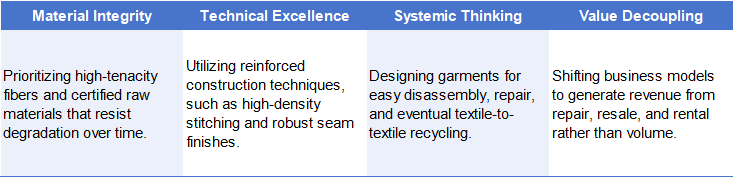
For a sustainable clothing manufacturer, durability is not an afterthought — it is the primary design requirement. Industry data from Redress suggests that approximately 80% of a product's environmental impact is locked in during the initial design phase. Manufacturers following this ethos move beyond aesthetic appeal to prioritize functional resilience. This involves a rigorous assessment of how a garment will perform over hundreds of use cycles, washings, and even potential repairs. By extending the life of a garment by just nine months, the industry can reduce carbon, water, and waste footprints by up to 30%.
The Sustainable Manufacturer Ethos
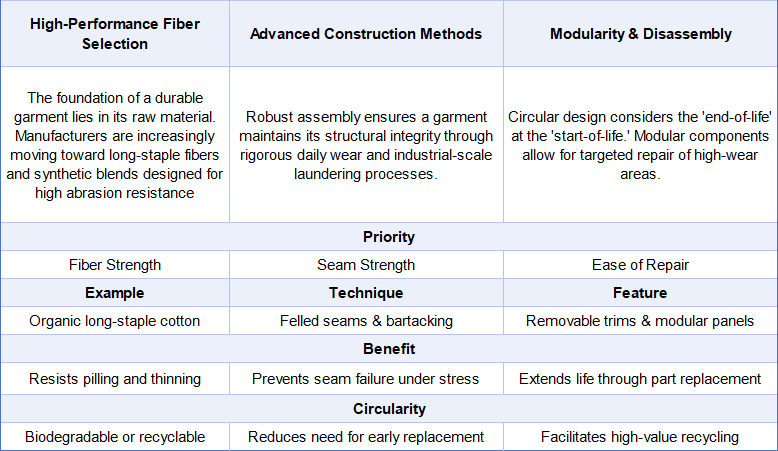
Technical Strategies for Physical Durability
Beyond Physics: Emotional Durability
Physical durability alone is insufficient if a consumer discards a garment because it is no longer 'in style.' Emotional durability focuses on creating products that remain relevant and desirable over decades. Manufacturers achieve this through timeless aesthetics and 'patina-positive' materials that look better with age. As noted by the Ellen MacArthur Foundation, creating a deep emotional connection through quality and consumer education in care/repair is vital.
· The business case: Circular models such as repair and resale are projected to reach $700 billion by 2030.
· Sustainability goal: Halving the number of new items produced while doubling the utility of existing stock.
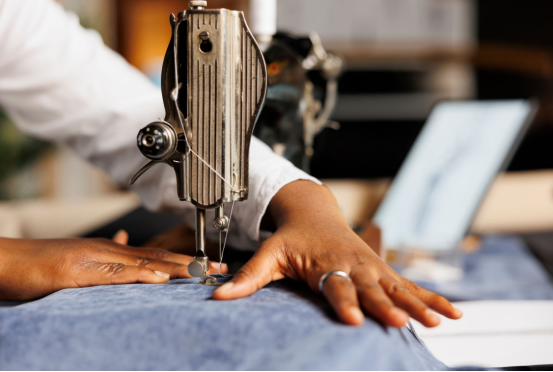
Dragos Condrea/Getty Images
Ultimately, the journey toward circularity requires more than just a change in philosophy; it demands a robust operational framework like Full Package Manufacturing. By consolidating design, sourcing, and production under one roof, Premium Vertical Manufacturing provides the transparency and control necessary to minimize waste and maximize resource efficiency.
As we look toward a future where "eco-friendly" is the standard rather than the exception, these integrated systems will be the backbone of a resilient industry. When durability is woven into the very fabric of the business model, Springtex serves as a trusted partner, ensuring fashion can finally transition into a closed-loop system that respects both the planet and the craftsmanship behind every garment.
References
· Ellen MacArthur Foundation: Circular Economy for the Fashion Industry. https://www.ellenmacarthurfoundation.org/topics/fashion/overview
· Textile Exchange: 2024 Materials Market Report & Benchmark. https://textileexchange.org/news/market-report-shows-climate-progress-despite-industry-growth/
· Redress Design Award: Circular Design Strategies & Longevity. https://www.redressdesignaward.com/academy/strategies
· Sustainability Directory: How Circular Design Affects Durability. https://fashion.sustainability-directory.com/question/how-does-circular-design-affect-durability/