
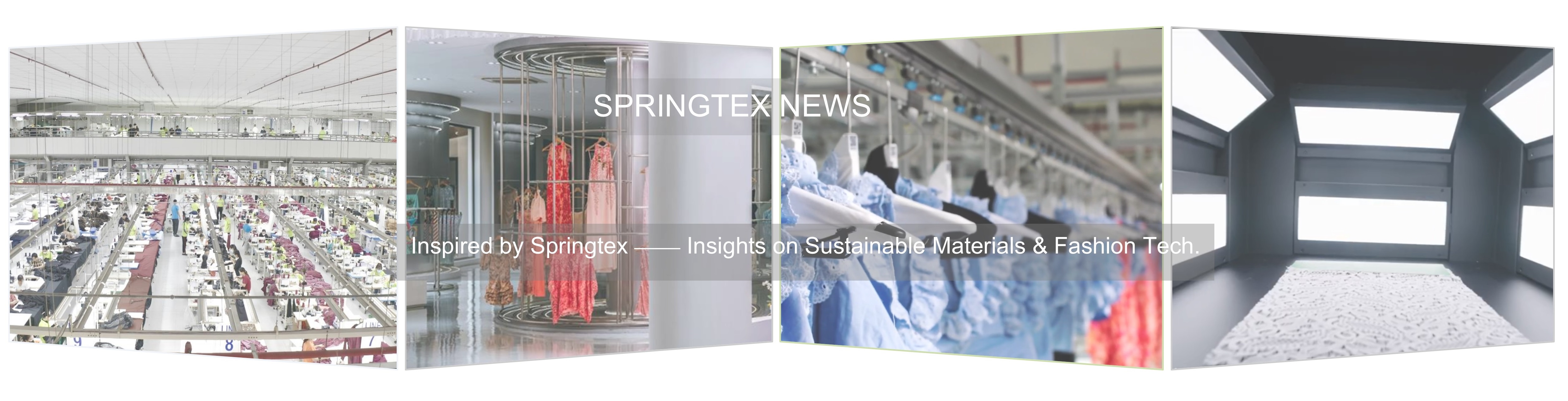
The New Standard in Apparel: Agility, Sustainability, and Precision
The global fashion landscape is undergoing a fundamental shift, led by innovators. As consumer demand moves away from mass-produced "fast fashion" toward conscious consumption, the industry's backbone—the manufacturing sector—must adapt. This evolution is driven by the need for transparency, waste reduction, and the high-quality craftsmanship offered through vertical manufacturing, ensuring excellence from design to delivery.
Building a Transparent Eco-Friendly Fashion Supply Chain
Sustainability is no longer a niche preference; it is a regulatory and consumer mandate. According to the McKinsey State of Fashion 2026 report, circularity and waste reduction are the primary drivers of industry growth. A truly Eco-Friendly Fashion Supply Chain requires vertical integration—where everything from fabric development to final stitching is monitored for environmental impact.
At Springtex, this is achieved through smart manufacturing and certifications like WRAP and BSCI, which ensure that ethical labor and resource management are not just goals, but standardized practices. Organizations like Fashion for Good emphasize that transparency is the first step toward a fairer future for the planet.
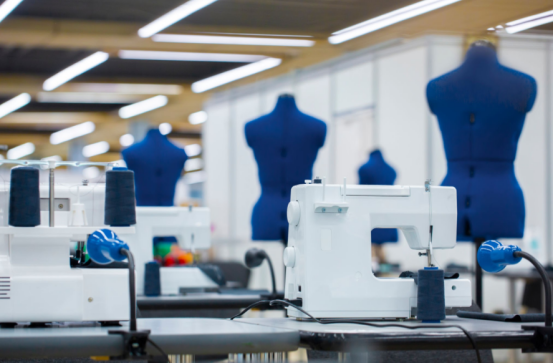
shellexx/Getty Images
The Strategic Value of a Low MOQ Clothing Factory
One of the greatest challenges in modern retail is inventory risk. Traditional manufacturing often demands high volume, leading to deadstock and textile waste. The rise of the Low MOQ Clothing Factory model allows brands to test the market with limited releases and capsule collections.
This lean approach enables designers to react to real-time data rather than forecasts. By offering low minimum order quantities, manufacturers empower emerging designers and established houses alike to prioritize quality over sheer volume. This shift reduces the financial burden on brands and significantly lowers the industry's carbon footprint by preventing overproduction.

aire images/Getty Images
Craftsmanship as a High-End Womenswear Manufacturer
Quality defines the luxury segment. As a High-End Womenswear Manufacturer, the focus shifts from speed to precision. This involves advanced techniques such as 3D CAD rendering and AI design to perfect the fit before a single piece of fabric is cut.
Premium materials—ranging from silk and cashmere to recycled tech-fibers—require expert handling to maintain their integrity. The integration of technology, such as RFID tracking for every garment, ensures that every piece meets the rigorous standards expected by sophisticated global consumers.
Conclusion: The Path Forward
The future of the fashion industry lies at the intersection of technology and ethics. By embracing a Premium Vertical Manufacturing model that supports small-batch production and high-end standards, manufacturers like Springtex are proving that a sustainable, responsive, and high-quality supply chain is possible. As we look toward 2026, the brands that thrive will be those that view their manufacturers not as vendors, but as a long term innovation.
References
1.McKinsey & Company. The State of Fashion 2026: When the rules change.
2.Fashion for Good. Transparency and Traceability in the Textile Industry.
3.Fashion Revolution. Global Fashion Transparency Index.
4.Pure London. Strategies for Sustainable Sourcing and Distribution.