
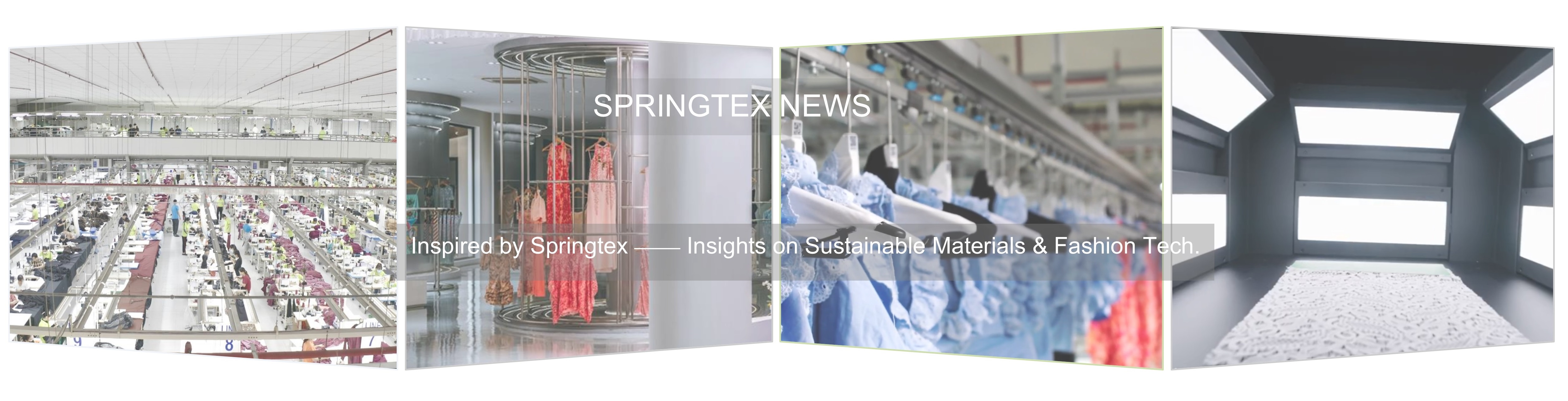
Precision at Scale: How Smart Machinery Ensures Zero-Defect Results
In the competitive world of high-end fashion, the margin for error is non-existent. For luxury and premium brands, a single loose thread or a slightly misaligned seam isn't just a quality issue—it is a threat to brand equity. Traditionally, achieving "perfection" meant sacrificing volume, as hand-crafted precision was difficult to replicate on a mass scale. However, the emergence of Premium Vertical Manufacturing has rewritten this narrative. By integrating advanced technology across every stage of production, a modern Clothing Factory can now deliver artisan-level quality at industrial speeds. This synergy of human expertise and robotic precision is the foundation of the "Zero-Defect" philosophy that defines the industry in 2026.
The Evolution of the Zero-Defect Philosophy
Zero-defect manufacturing is a management strategy that focuses on reducing defects through prevention rather than just inspection. In a traditional setup, quality control (QC) happens at the very end of the line. If an error is found, the garment is either scrapped or repaired, leading to waste and inconsistency.
A Clothing Factory utilizing Premium Vertical Manufacturing shifts this focus "upstream." By using smart machinery that monitors its own performance, errors are caught and corrected the millisecond they occur. According to The International Society of Automation (ISA), the integration of smart sensors in textile machinery has reduced physical waste by up to 30% in high-precision facilities over the last three years.

Precision Cutting: The Foundation of Fit
The journey to a zero-defect result begins in the cutting room. Traditional manual cutting, even with skilled operators, is subject to human fatigue and fabric shifting.
Modern vertical units utilize CNC (Computer Numerical Control) Laser and Blade Cutters. These machines are fed digital patterns directly from CAD software, ensuring that every piece is cut with a tolerance of less than $0.1mm$.
Vision Systems: Smart cutters now use high-speed cameras to "read" the grain of the fabric or the repeat of a pattern (like plaid or stripes), automatically adjusting the cut to ensure perfect alignment across all panels.
Automatic Nesting: AI algorithms calculate the tightest possible layout, ensuring maximum fabric utilization while maintaining the integrity of the garment’s structural lines.
Intelligent Stitching and Automated Sewing Cells
The most labor-intensive part of any Clothing Factory is the sewing floor. This is also where the highest variance in quality typically occurs. Smart machinery is solving this through "Assisted Automation."
1. Real-Time Tension Monitoring
Modern sewing machines are equipped with sensors that monitor thread tension and needle heat. If a thread is about to break or if the needle becomes dull—which can cause "micro-tears" in delicate fabrics—the machine alerts the operator or pauses automatically. This ensures that the structural integrity of the seam is never compromised.
2. Pattern Stitching and Templates
For complex elements like pocket welts, collars, or intricate embroidery, automated sewing cells use "jigs" or templates. These machines follow a pre-programmed path with mathematical precision, ensuring that the left side of a garment is a perfect mirror image of the right—a hallmark of premium quality.
3. Ultrasonic Welding
For activewear and high-performance outerwear, smart machinery now utilizes ultrasonic welding instead of traditional needles and threads. According to Textile World, this creates a bond that is both 100% waterproof and significantly stronger than a traditional seam, eliminating the "weak points" where defects usually begin.
Data-Driven Quality Control (AI Inspection)
In a Premium Vertical Manufacturing environment, the final QC stage is no longer just a human with a measuring tape. It is a data-driven process.
AI Visual Inspection: High-definition cameras scan finished garments against a "Master Digital Prototype." The AI can detect a skipped stitch or a color variance that is invisible to the human eye.
Digital Calipers: Measurements are taken digitally and uploaded directly to the brand’s ERP (Enterprise Resource Planning) system, providing a digital "birth certificate" for every batch produced.
by the very machines that created it. This is how "Precision at Scale" is achieved.
The Strategic Advantage for Premium Brands
For brands partnering with Springtex, this technical infrastructure offers more than just a low defect rate; it offers peace of mind.
1. Reduced Returns: Zero-defect results lead to higher customer satisfaction and a dramatic reduction in "Quality-Related Returns."
2. Sustainability: Less waste in the cutting and sewing process directly improves the brand’s environmental footprint.
3. Speed to Market: Because there is less "re-work" and fewer errors, the production timeline remains predictable and fast.
Conclusion
The future of fashion lies at the intersection of craftsmanship and technology. As consumers become more discerning, the "Zero-Defect" standard is becoming the baseline for entry into the premium market. By investing in smart machinery and a Premium Vertical Manufacturing model, a modern Clothing Factory ensures that every garment is a testament to precision and excellence. At Springtex, we believe that quality should never be a variable—it should be a constant. Through the power of Precision at Scale: How Smart Machinery Ensures Zero-Defect Results, we help our partners transform their creative visions into flawless, market-ready realities.
References
International Society of Automation (ISA) – Standards in automated manufacturing.
Textile World – Innovation in sewing and welding technologies.
IEEE Xplore – Research on AI and computer vision in textile inspection.
Fashion Institute of Technology (FIT) - Quality Assurance Labs – Industry standards for premium garment construction.
Fatal error: Allowed memory size of 134217728 bytes exhausted (tried to allocate 16718136 bytes) in /www/wwwroot/springtex.com/include/pdo.class.php on line 54